veilig gokken Baloo Casino biedt individuele service in België een heel eigen invulling met een…
Dental Cleaning Break: Jackpot Bells Slot and Mouth Health
Our regular schedules can appear as isolated parts, but from time to time an surprising connection emerges https://jackpotbells.net/. Take the humble dental cleaning break. It’s a required halt for mouth hygiene, a piece of personal care taken from screen time. That idea of a invigorating rest has a counterpart in games like Jackpot Bells Slot, which deliver a different sort of mindful break. This isn’t to say that oral treatment and slot titles are truly tied. Instead, we consider how planned breaks, for wellness or for fun, both add to our total health. Each concept celebrates the importance of a deliberate pause, a time to refresh before returning into the central task with sharper focus and a more lucid mind.
Decoding Jackpot Bells Slot Mechanics
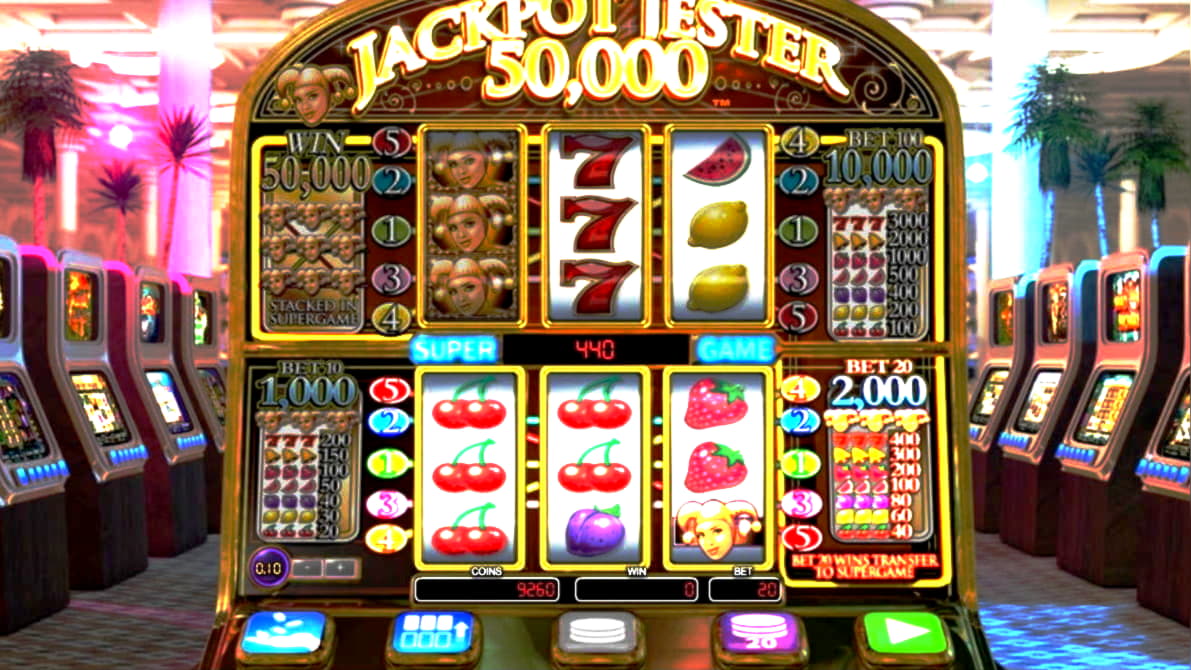
Jackpot Bells Slot is based on the classic, traditional slot machine experience, the kind embodied by the iconic bells, sevens, and bars. This familiarity is a huge part of its charm. The game usually sports a straightforward layout, most often three reels, a tribute to the original mechanical machines. This simplicity is intentional. It offers gameplay that’s immediate and easy to grasp, without the complicated bonus rounds or dense storylines of some modern video slots. The goal stays simple: line up matching symbols across the paylines to get a win, with the classic bell symbols typically delivering the most.
Even though it’s grounded in tradition, Jackpot Bells Slot generally includes dependable modern slot mechanics to enhance the experience. You’ll find standard features like wild symbols, which can stand in for others to form a winning combination, and multiplier effects that can boost your payout. The “jackpot” part of the name normally points to a top-tier prize, which could be a fixed top award or a special bonus feature. The game’s feedback—the sound of the spin, the clatter of coins, the ring of aligning bells—is designed to offer a crisp, rewarding sensory punch. This mix of classic appeal and polished modern execution makes it a reliable choice for players seeking a nostalgic but smooth gaming session.
How Leisure Gaming Integrates with a Balanced Routine
Incorporating leisure activities like gaming into a healthy life depends on perspective and moderation. We rarely think of watching a 20-minute TV episode or reading a book chapter as inherently disruptive. A short, planned gaming session can be a legitimate form of digital downtime in the same way. The crucial part is to frame it as a conscious break activity, not a default way to kill time. When you proactively decide, “I’ll take 15 minutes now to enjoy a few spins,” you keep control. This halts the passive, endless scrolling that leaves you feeling more tired, and it turns gaming into a deliberate tool for mental disengagement.
For this approach to work, you need to set clear parameters before you begin. Decide on a time limit or a spending limit (if you’re playing with real money) and stick to it as firmly as you’d end a coffee break. The activity should feel contained and separate from your work or chores. A game like Jackpot Bells Slot, with its clear, round-based structure, naturally facilitates this. Every spin is its own little event, making it easier to stop after a predetermined number. When the timer sounds, you close the game and move on. This habit develops self-discipline and makes sure your leisure time actually recharges you, without eating into other important parts of your life.
Defining Boundaries for Healthy Play
Creating firm boundaries is the core principle of healthy leisure gaming. Focus on time management. Utilize a timer or a kitchen timer to set the boundaries of your break. Financial boundaries are just as crucial if real stakes are involved. This means establishing a loss limit ahead of time—an amount that won’t impact your necessary expenses—and treating any money used as a straight entertainment cost, like paying for a theater ticket. It’s also wise to avoid gaming when you feel emotionally fragile, overly tired, or as a key emotional outlet, since this can impair your decision-making. Playing in a common family area rather than a isolated room can provide natural oversight and keep engagement from going overboard.
Another effective limit is to create a ritual for starting and ending your session. You might play only after finishing a set chore, or you always prepare a hot drink to accompany your session. The closing ritual is more important: physically rise, stretch, drink some water, and consciously tell yourself the break is over. This behavioral cue signals to your brain that the context has returned to normal. Tools from responsible gaming platforms, like deposit limits, session reminders, and self-exclusion options, are also strong allies. Employing these tools isn’t a sign of weakness. It’s a preventive approach, comparable to employing an app to curb social media usage, making sure your pastime remains a positive part of your life.
Designing Your Own Successful Daily Pause Strategy
Creating a personal pause strategy starts with watching yourself. Track your energy and focus over a few days. Do you crash mid-morning? Does your attention wander after lunch? These natural dips are perfect spots for a structured break. Plan for short pauses (5-10 minutes) every 60-90 minutes and a longer break (15-30 minutes) in the middle of your main work period. What you do on the break should be deliberately different from your work. If you work on a computer, your break should ideally be screen-free, or at least involve a completely different screen activity. Physical movement, even just standing up and stretching, is almost always a good idea to fight the effects of sitting all day.
After that, put together a “break menu” of activities you actually like and that fit different time slots. A 5-minute menu could include deep breathing, making a fresh cup of coffee, or just looking out the window. A 15-minute menu might have a brisk walk, a short guided meditation, or a leisure gaming session with a timer already set. Note this menu down and keep it where you can see it. The mental fatigue of choosing a break activity can ruin the whole point. With a go-to list, you slip right into refreshment mode. Protect these scheduled pauses like you would a meeting with a colleague. Protect the time, and you’ll likely see your overall productivity and mood get better, because you’re working with your body’s natural rhythm instead of fighting it.
The importance of Scheduled Breaks for Psychological Focus
Human brains struggle under endless, monofocused pressure. We arrange meetings and deadlines, so we should also schedule intentional breaks to keep our thinking sharp and avoid burnout. A dental appointment imposes this pause, dragging us away from our desks and the daily hustle. This required interruption possesses more value than we typically give it credit for. It creates a psychological line in the sand, distinguishing one mode of operation from the next. While we’re on break, our subconscious continues working on problems, which is why we sometimes have a sudden insight when we return. Incorporating regular, shorter breaks into your workday uses the same logic, bolstering concentration and creativity over many hours.
What you do on your break is crucial. A break that actually revives you needs a full context switch. Move your body. Change your mental channel completely. Scrolling through social media on the same laptop you work on is insufficient. A physical activity, a walk around the block, some mindful breathing, or a different, engaging visual task like a quick game can properly refresh your brain. This is the space where leisure activities, such as playing a slot game for a set few minutes, can act as a mental reset. Intentionality is everything: set a timer, commit to the break activity, and then cleanly step back to your main task. It’s not so different from leaving the dentist’s chair and getting on with your day.
The practice of dental hygiene and its broader lessons
The regular habit of cleaning your teeth is a gentle practice of proactive health. We do it not due to a dramatic result every individual instance, but because we recognize the steady, mounting wear that comes from missing it. This habit is based on self-control, regularity, and a commitment to future well-being over current ease. It’s a non-negotiable part of the day, often integrated into other habits like getting ready in the morning or unwinding before bed. Being embedded like this is what makes it impactful. It becomes instinctive, demanding very little decision-making energy. The insight is that the most impactful self-care habits are the ones we systematize until they’re as automatic as cleaning our hands.
We can apply this ritualistic thinking to other parts of life, including how we deal with our mental energy and free time. Just as we arrange dental cleanings every six months, we can plan regular digital detoxes or weekly family play sessions. The system removes the ambiguity that leads to either neglect or excess. Also, a dentist does more than clean your teeth. They provide a review, an unbiased evaluation of your habits. We can run a similar personal review on our free-time practices: Are my pauses genuinely restorative? Am I following the restrictions I define? This routine assessment, paired with a consistent practice, helps ensure both our physical health and our leisure activities are kept in excellent, enduring form.
Past the Reels Recognizing the Benefit in Everyday Escapes

A simple, absorbing pastime like a traditional slot game carries significance because it can usher you into a zone of mild, focused flow. This is a psychological space where you’re fully absorbed in an activity with a defined objective, sensing a impression of vibrant attention. For a brief period, it displaces work concerns and mental to-do lists. The spinning reels, the excitement, and the clear outcome (win or lose) form a compact, isolated story that captures your interest. This total, if momentary, engagement is what allows your brain to recover from its core responsibilities. The straightforwardness is the key. It needs no complex learning or deep emotional investment, turning it into a valuable instrument for a mental reset.
But the real takeaway extends well past any one pastime. It’s about accepting the necessity for, and permitting yourself, these harmless distractions without a side of guilt. Modern culture usually will glorify constant activity, marking any idle moment as lost. This mindset boomerangs. Just as sleep is essential for bodily restoration, these mental breaks are necessary for mental restoration. Whether your selected diversion is a crossword puzzle, sketching for a short time, hearing a preferred tune, or playing a fast round, its job is to drive a cognitive shift. Welcoming this can bring about a more enduring, enjoyable, and in the long run more efficient daily rhythm, where tasks and recovery establish a sound, aware balance.
The link between a teeth cleaning pause and a game like Jackpot Bells Slot works as a metaphor for mindful self-management. Both emphasize the unquestionable significance of planned breaks, whether they’re required for wellness or selected for recreation. The core ideas apply everywhere: deliberateness, distinct edges, and a commitment to sticking with it. When we use the organized framework of dental hygiene to our larger schedules, and when we grant ourselves remorse-free, bounded periods of basic diversion, we create a lifestyle that’s more robust and stable. It’s about working smarter, and acknowledging that true wellness is based on a combination of diligent care and true rest.

This Post Has 0 Comments